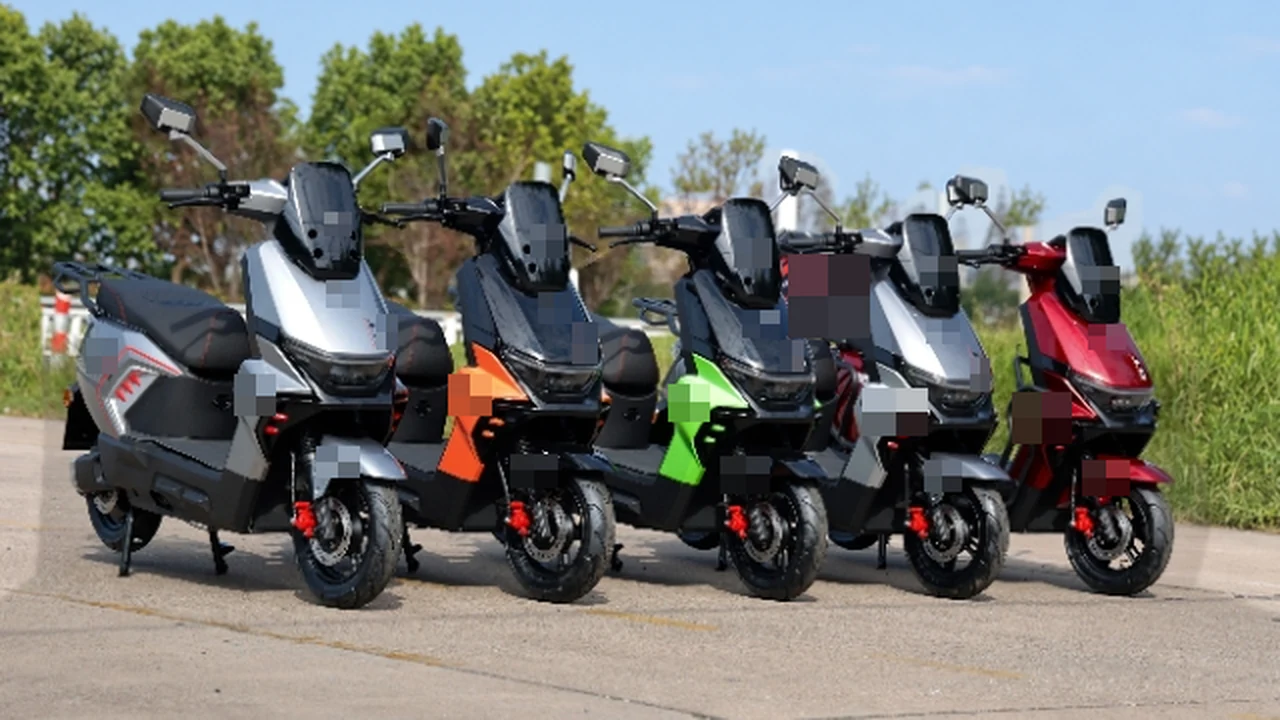
Start a private-label electric scooter project with an existing model, your branding and an agreed configuration. At BENBAO, customization can include colors, decals, accessories, manuals, nameplates and packaging. Two S720 customer projects shown below have completed design, sampling and production.
For an OEM or private-label project, start with the changes you need to an existing platform. ODM work may go further into component matching, structural changes, tooling or product development. The work required determines the project scope, cost and schedule.
Start with the destination market, a base model, expected quantity and a written list of changes. The factory can then separate standard options from new development, identify the tests required and quote a realistic MOQ, cost and schedule.
Define the project by scope, not by acronym
OEM, ODM and private label do not have one fixed meaning across the industry. Two suppliers may use the same term for very different levels of work. Define the deliverables before comparing quotations.
| Project route | Starting point | Typical scope | Main buyer risk |
|---|---|---|---|
| Private label | Existing vehicle and standard configuration | Brand marks, decals, manual and packaging | Assuming branding approval also confirms the vehicle specification |
| OEM | Existing platform with selected changes | Colors, accessories and approved motor, controller or battery options | Leaving component differences out of the signed specification |
| ODM | Substantial technical or product development | New component matching, frame or body changes, tooling and testing | Underestimating development cost, validation work and lead time |
Start with a proven base model
An existing platform gives both parties a production reference for cost, sampling and technical review. Its frame, body, electrical layout and packing method are already defined.
Before selecting the platform, confirm:
- destination-country classification and approval requirements;
- intended use, road conditions, gradients and climate;
- target speed, motor power, battery and range;
- rider, passenger or payload requirements;
- initial order and expected annual volume;
- target wholesale price and launch date.
If the vehicle category is not yet clear, use the electric moped, scooter and motorcycle selection guide before deciding which platform to customise.
Real customization projects: S720 and S903
S720: two customer projects from design to production
The S720 electric motorcycle has served as the base model for customer projects targeting Paraguay and the Middle East. Both projects completed design, sampling and production. Customers supplied their logos; BENBAO prepared the decal designs, color choices and supporting branded materials.
The project artwork below shows two different color and decal directions on the same base model. These are design images from completed projects; the final production specification follows the artwork and configuration approved for each order. Customer identifiers have been hidden.


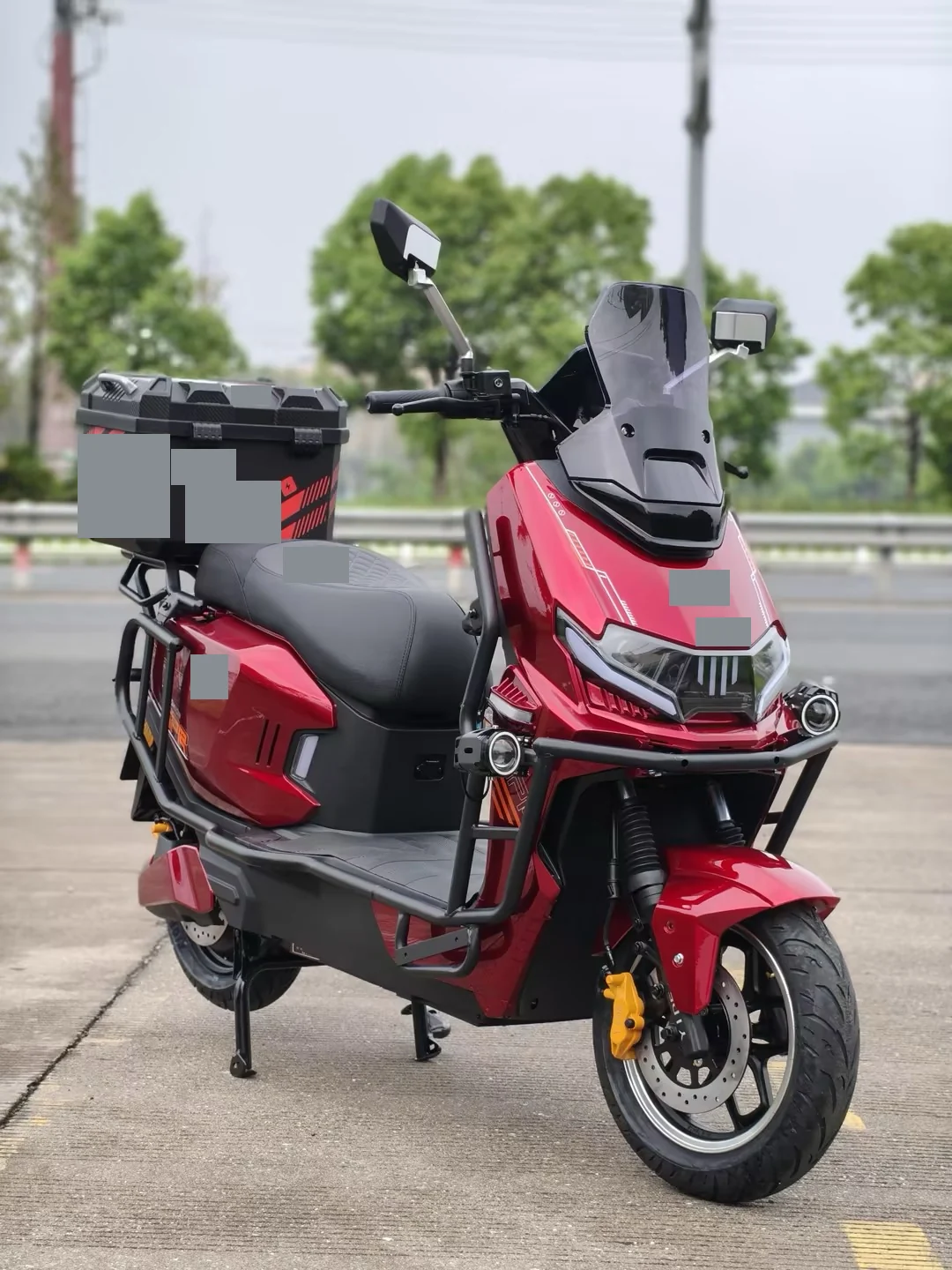
S903: a custom vehicle for a Middle East customer
This S903 electric motorcycle is a separate custom vehicle. The real photograph shows its rear box, windscreen, protection bars and auxiliary lights. Requests such as adding auxiliary lights can be assessed against the selected model and configuration; the pictured accessories are not a standard specification for every model.
Discuss an S720 customization project, or ask about an S903 configuration.
What can you customise with BENBAO?
A complete set of finished artwork is not required to start. Provide your logo, target market, preferred model and a description of the result you want. BENBAO can prepare the design proposals and help source suitable options for review.
| Item | What the buyer provides | BENBAO's role |
|---|---|---|
| Logo and vehicle decals | Logo files, brand direction and preferred positions | Prepare decal layouts and propose how to apply the brand |
| Body colors | Color direction, references or an approved swatch | Help select colors and prepare the matching design |
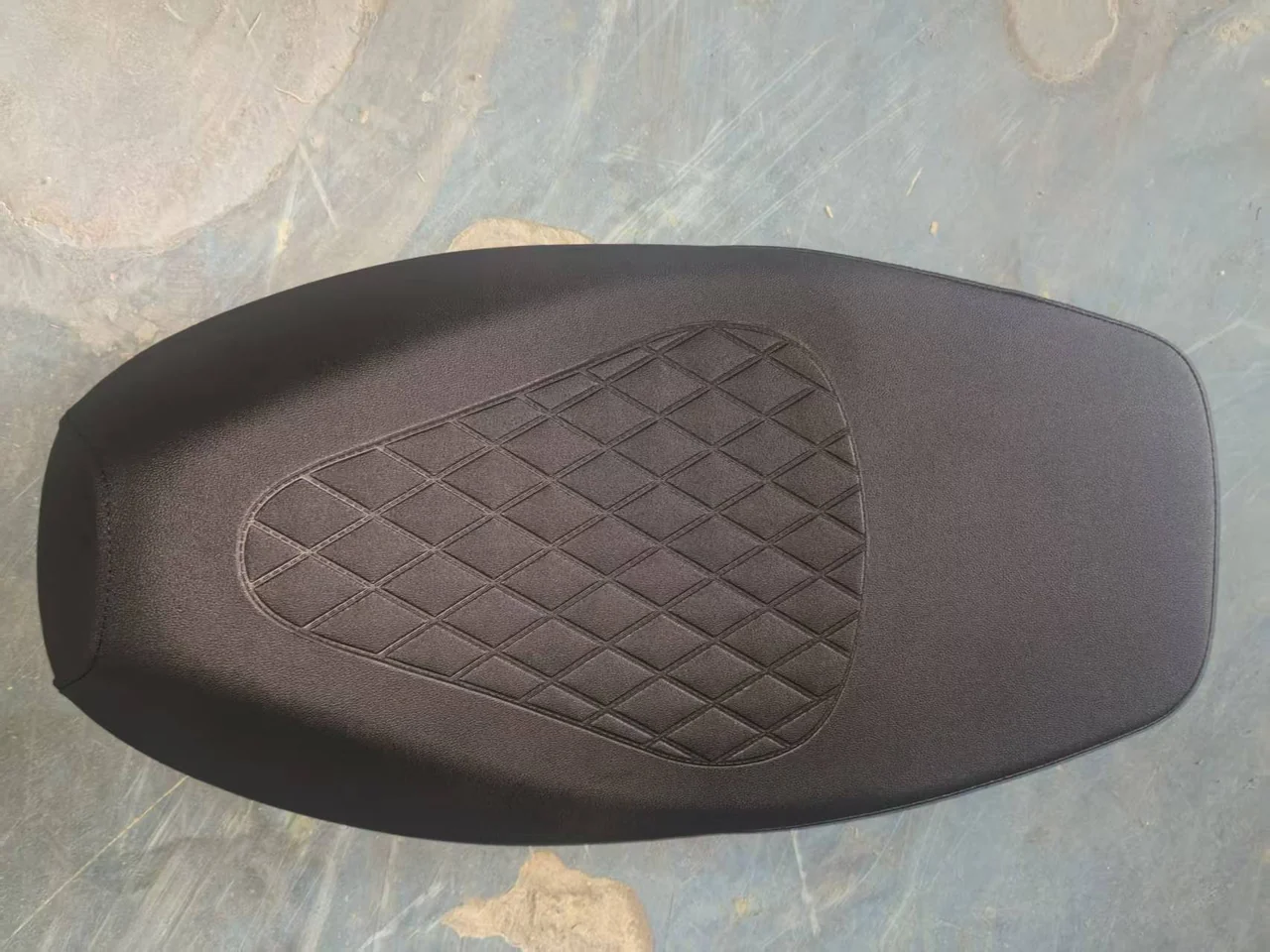
| Seat pattern | A reference showing the required surface pattern | Find and select a seat that matches the customer's request |
| Rear box and rear branding plate | Branding, appearance and intended use | Prepare the design and review options for the selected vehicle |
| Auxiliary lights and other accessories | The requested equipment and use case | Assess the fit and configuration before confirmation |
| Charger | Battery configuration and charger requirements | Review compatible charger options as part of the project |
| Manual, nameplate and factory inspection certificate | Brand files, language and final vehicle information | Prepare branded layouts aligned with the agreed configuration |
| Carton and packing artwork | Brand requirements and supply format | Prepare the print design and review the packing plan |
Branded materials beyond the vehicle
These project materials show how a brand can extend to the seat finish, carton, manual, factory inspection certificate and nameplate. For the seat shown, the customer specified the surface pattern and BENBAO helped find and select a matching seat.
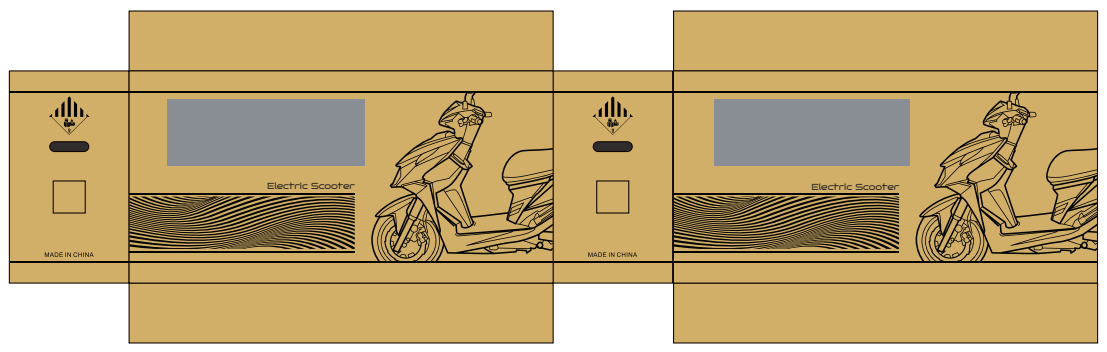
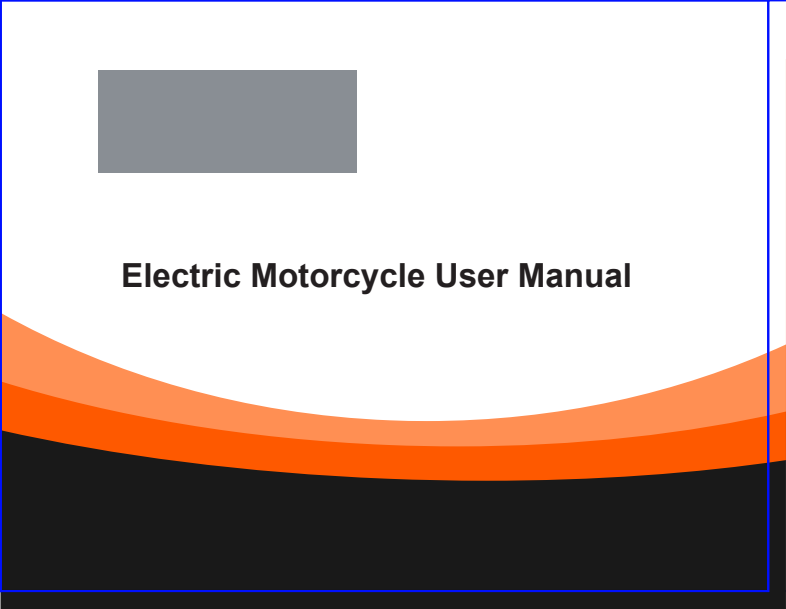
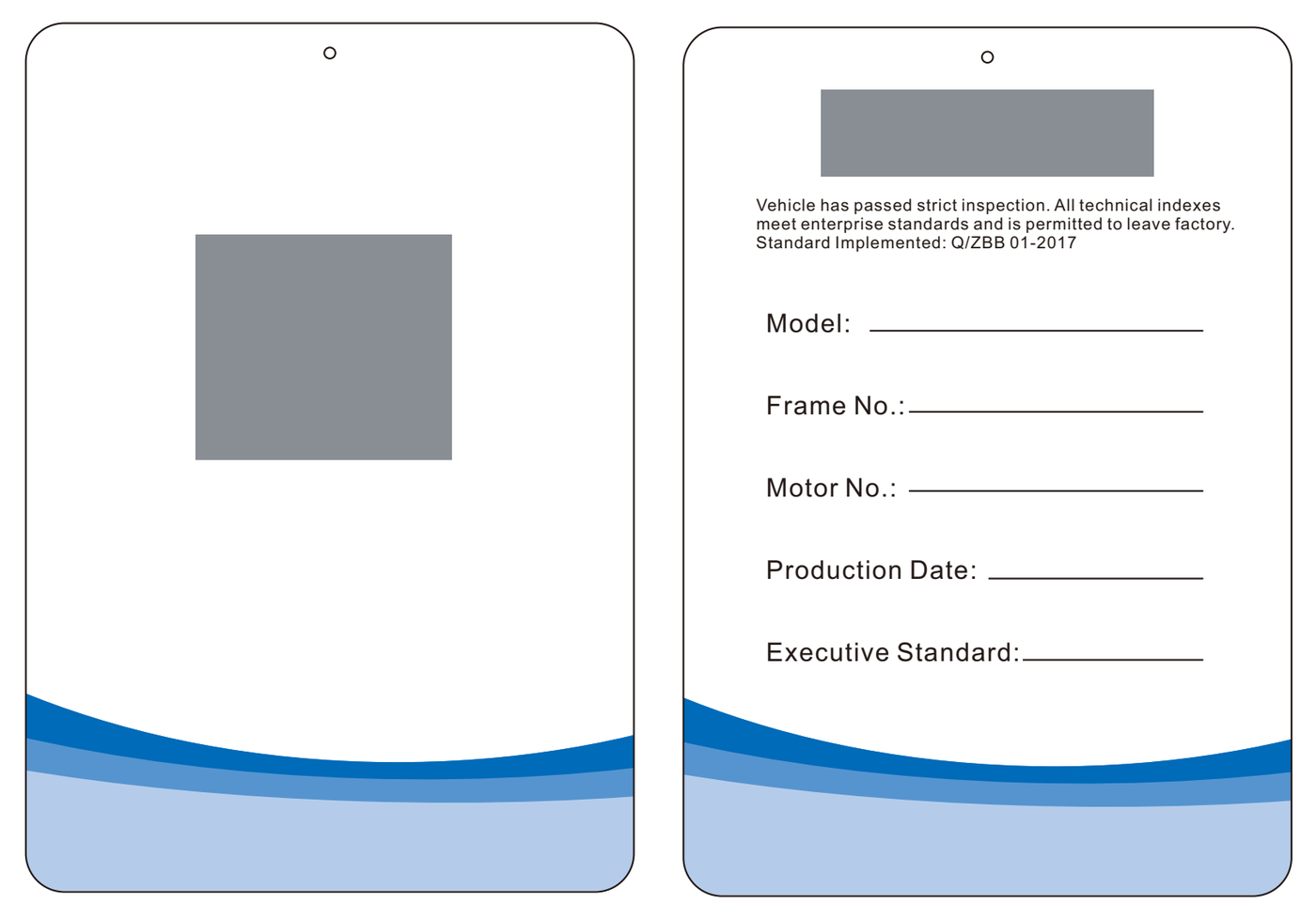
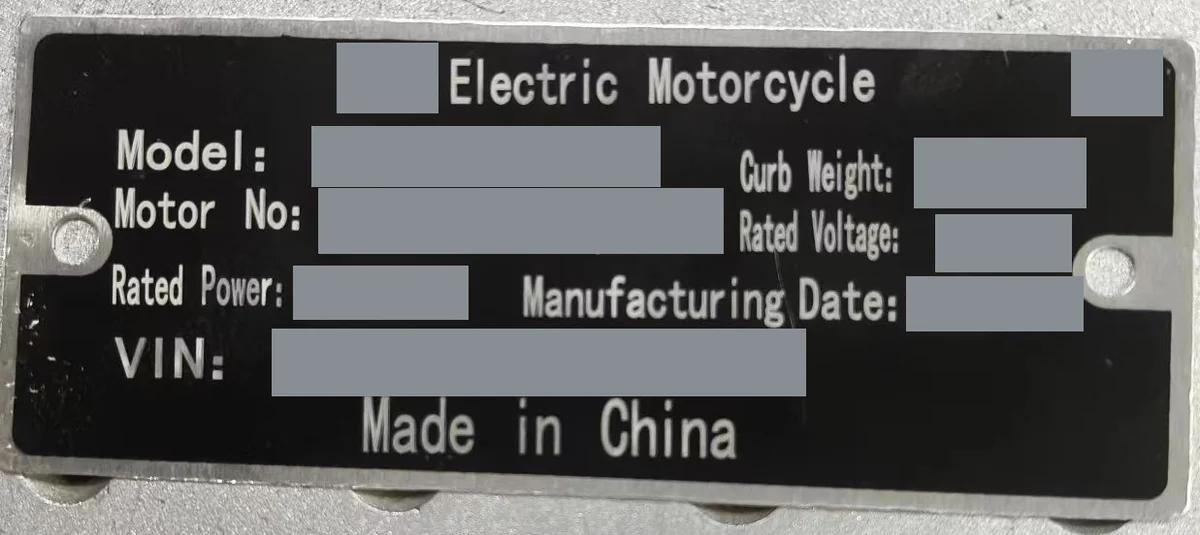
The factory inspection certificate is shown as a document-design example. Nameplate and manual information must match the final vehicle; the hidden values are not a specification reference for other orders.
Four levels of electric scooter customization
1. Branding and sales materials
BENBAO can discuss the shape, material and position of a customer’s brand marks. Branding may be applied to the vehicle, motor, controller, instrument panel, front fork, front and rear branding panels, product nameplate, product certificate, manual and outer carton where the selected component and process allow it.
Brand marks that use an branding methods that do not require new tooling are normally provided without a separate customization charge at the applicable order quantity. This can include a cut metal badge. A badge or emblem that requires a dedicated mould carries an additional tooling charge.
Customers may submit decal artwork or ask BENBAO to prepare a proposal from a description. BENBAO’s concise standard manual can be adapted with the customer’s logo and revised product information or language.
2. Color and appearance
The buyer first provides a target color range or reference. BENBAO then supplies color swatches for approval and prepares the corresponding design after the color is chosen.
Colors already available in BENBAO’s standard palette do not carry a separate color MOQ within an eligible production order. A custom color outside our standard palette normally requires 30 units in that color. The order must still meet the applicable production MOQ for the model.
Other appearance requests may include decals, seat finish, racks, top boxes, rear branding plates, backrests or protection bars. For a customer-specified seat pattern, BENBAO helps source a matching seat. Auxiliary lights can also be reviewed for the chosen model. Availability depends on mounting points, purchased components and the packing plan.
3. Component and performance configuration
Motor, controller, battery and charger changes require system matching. The controller must suit the motor and the intended performance. Branding can be printed on the motor and controller where the process permits, but batteries are not normally branded in this way.
For lithium-battery projects, BENBAO can assess the requested capacity within the limits of the existing frame and battery compartment. The team will identify the maximum practical capacity for the selected platform and compare it with the buyer’s range requirement. A larger nominal capacity cannot be promised until space, weight, voltage, charger, BMS and vehicle balance have been reviewed.
Instrument panels, front forks and other components may also be selected or branded where compatible options exist. Each change must be recorded by part, supplier, specification and approved sample. A catalog description is not detailed enough for production control.
4. Engineering, tooling and new product development
BENBAO can assess projects involving frame changes, new moulded parts or development from a new product concept. Each project requires a technical brief, feasibility review, budget and volume plan.
The customer initially funds the agreed tooling. The recovery arrangement is calculated separately for each project. Once the agreed cumulative purchase volume has been reached, BENBAO may credit the tooling cost back through deductions across subsequent orders until the agreed amount has been fully recovered.
The physical tooling remains the property of BENBAO after the credit has been completed. The customer receives the agreed exclusive right to use it for the project, and BENBAO will not sell or transfer that tooling to another party under the agreed terms. Tooling cost, volume threshold, credit schedule, usage rights, maintenance and end-of-life treatment must be written into the project agreement.
Do not describe this arrangement as “free tooling”. The customer funds it first, and the later credit only applies when the contractual volume conditions are met.
From product brief to production
A workable OEM or ODM programme can be organised into eight stages.
1. Submit the market brief
State the destination country, use case, target specification, price range, quantity and planned launch.
2. Select the base platform
Record which requirements are standard and which need an option, substitution or engineering change.
3. Classify every requested change
Separate branding, appearance, component options and new development.
4. Complete technical and commercial review
BENBAO assesses feasibility, components, MOQ, charges, sampling and the provisional schedule.
5. Confirm artwork and samples
Approve the color, branding, packaging and vehicle configuration. A stock sample does not approve a technically modified production vehicle.
6. Test the revised configuration
BENBAO’s confirmed scope can include static, dynamic, stability and water-wading tests. A change to the motor, controller, battery or structure may require additional project-specific checks. The test plan, conditions and acceptance criteria should be agreed before approval.
7. Freeze the production specification
The signed specification should identify the components, colors, markings, accessories, packaging and documents. Use component codes and approved drawings where possible.
8. Produce, inspect and ship
The factory workflow covers incoming inspection, process inspection, patrol inspection and final inspection. The project agreement should state which records are supplied and when the buyer or a third-party inspector may review the order.
MOQ, price and lead time
Custom orders require production and therefore have an MOQ. BENBAO’s normal production MOQ is 30 units per model. Colors from the standard palette have no separate minimum, while a custom color outside our standard palette normally requires 30 units in that color.
Standard configurations are normally completed and ready for shipment within 20 days after receipt of the deposit. Light appearance customization takes about 30 days. Deeper work involving power, battery, controller or engineering review generally requires 30–45 days. New tooling or product development needs a project-specific schedule.
Some non-tooled brand marks, colors and decals do not carry a separate customization service fee at the applicable MOQ. Price can still change when materials, components, molds, testing, documents or packing differ from the standard version. See the wholesale MOQ, FOB and lead-time guide for the full commercial terms.
Documentation, VIN and destination approval
BENBAO can provide project-related material for the selected model, which may include work instructions, an exploded view, configuration information and available certification records. These materials can support a buyer’s destination-market approval work, but they do not guarantee that a modified vehicle will pass every local requirement.
Vehicle identification information must follow the applicable manufacturer, vehicle and destination-market requirements. A VIN is not a freely customisable branding field. The nameplate layout may be discussed, but vehicle identification cannot be altered in the same way as a logo or decal.
A change to the power system, battery, lighting, brakes, dimensions or structure may affect earlier test or certification documents.
Packaging, spare parts and after-sales preparation
Branding may extend to the carton, labels and manual. Local assembly projects must also define CBU, SKD or CKD supply, packing and assembly information. The CKD, SKD and CBU buyer’s guide explains those responsibilities.
For bulk orders, BENBAO’s normal spare-parts allowance is 1% of the FOB contract goods value, subject to the project agreement. BENBAO prepares a list and total value, and the buyer may select preferred items within the allowance. The parts are shipped in the container inside a designated vehicle carton, which is marked externally.
What to include in an OEM or ODM inquiry
Use this checklist to make the initial request specific enough for a project review. If an item is undecided, state the requirement or ask for a recommendation.
| Enquiry item | Information to send |
|---|---|
| Market and use | Destination country, intended use, roads, climate and expected load |
| Base model | S720, S903 or another preferred model; links or reference photos |
| Order plan | Initial quantity, expected annual volume, budget and target launch date |
| Branding | Logo files, color references, decal positions and any seat-pattern reference |
| Vehicle and accessories | Required speed, power, battery and range; rear box, lights, charger or other changes |
| Documents and packing | Manual language, nameplate and carton requirements; CBU, SKD or CKD preference |
| Review and delivery | Sample requirements, destination documents, Incoterm and port |
The brief does not need to solve every engineering question. It should make the commercial objective and non-negotiable requirements clear enough for a feasibility review.
OEM and private-label questions
Can I start with just my logo?
For the branding work, yes. BENBAO can prepare color and decal proposals from your logo and brief. To assess the vehicle and quote the project, also provide the destination market, preferred model, quantity and configuration requirements.
Can S720 be used for a custom-brand project?
Yes. The S720 projects shown here completed design, sampling and production for customers targeting Paraguay and the Middle East. A new project still needs its own approved artwork and configuration.
Can I specify the seat pattern or request auxiliary lights?
You can provide a seat-pattern reference, and BENBAO will help find a suitable matching seat. Auxiliary lights and other equipment are reviewed against the selected vehicle and configuration. The S903 photograph above shows one actual customer configuration.
Can the manual, nameplate and packaging use my brand?
BENBAO can prepare branded layouts for these materials, together with factory inspection certificate and rear branding plate designs. Vehicle data and document content must match the final project specification.
Ready to discuss a branded or custom vehicle? Send BENBAO your target market, expected quantity, preferred platform and required changes for a project review and quotation. For general questions about samples, payment, documents and after-sales support, visit the Export FAQ.